
Quarterly Waste Spend Review: 7 Reports to Pull Before the Books Close

The quarter is over. Within days, finance will lock the period, and whatever the waste line says becomes the number everyone reports, forecasts from, and defends. For most organizations, that number is simply the sum of the hauler invoices that happened to arrive and get paid. Some invoices are still sitting in a portal. Some […]
Waste Data Quality: The Foundation of Accurate Audits, Budgets, and Reports

An invoice audit compares a bill to what should have been billed. A budget estimates what service should cost next year. A report tells leadership where the money went. All three depend on a set of records most teams rarely look at directly: the list of active sites, the hauler account numbers tied to each […]
From Route to Record: How Waste Service Data Becomes a Reliable Invoice

A waste invoice can look perfectly ordinary and still leave an important question unanswered: What happened at the site? The invoice may list the correct address, container size, monthly rate, and billing period. Those details matter, but they do not, by themselves, establish whether an extra pickup occurred, whether a container was swapped, or whether […]
Best Waste Management Software: A Buyer’s Guide for Brokers, Consultants, and Multi-Site Operators

The best waste management software is not the platform with the longest feature list or the most impressive dashboard. It is the system that can take the work your team performs every month—collecting invoices, checking charges, tracking contracts, resolving discrepancies, billing clients, updating accounting records and reporting results—and connect it without creating another layer of […]
Waste Management Budget Planning: Build Next Year’s Budget on Real Data
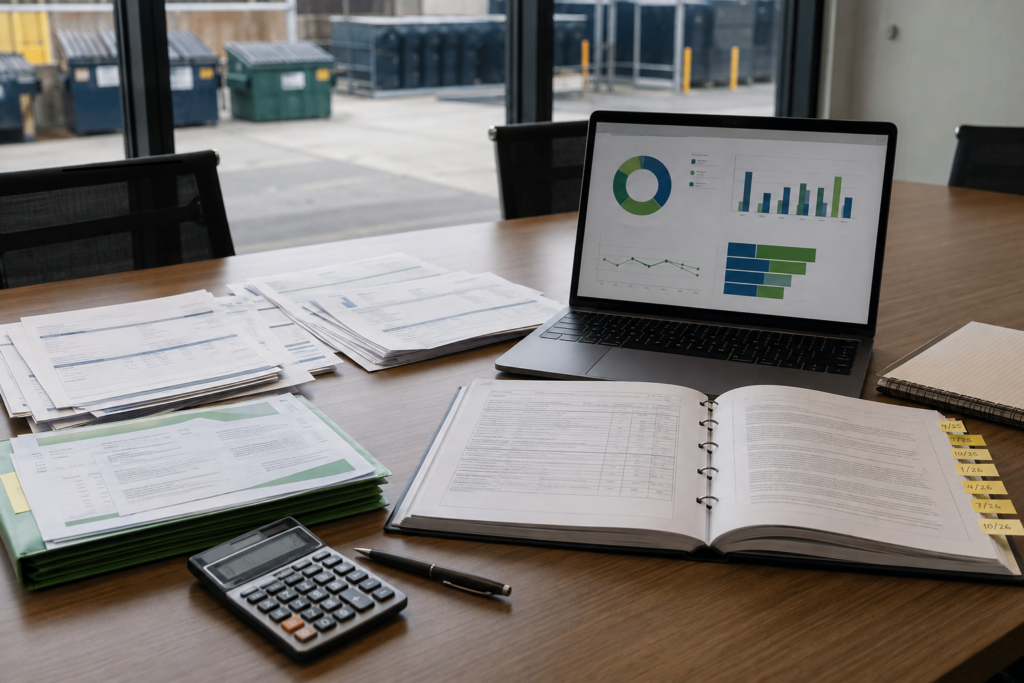
For many organizations, next year’s waste budget begins with a familiar shortcut: take last year’s spending and add 3%. It is fast, easy to explain, and often wrong. The problem is not the percentage itself. Three percent is not a standard waste-industry forecasting rule, and another percentage would not necessarily produce a better result. The […]
From Data to Decisions: Waste Management Reporting That Executives Actually Use
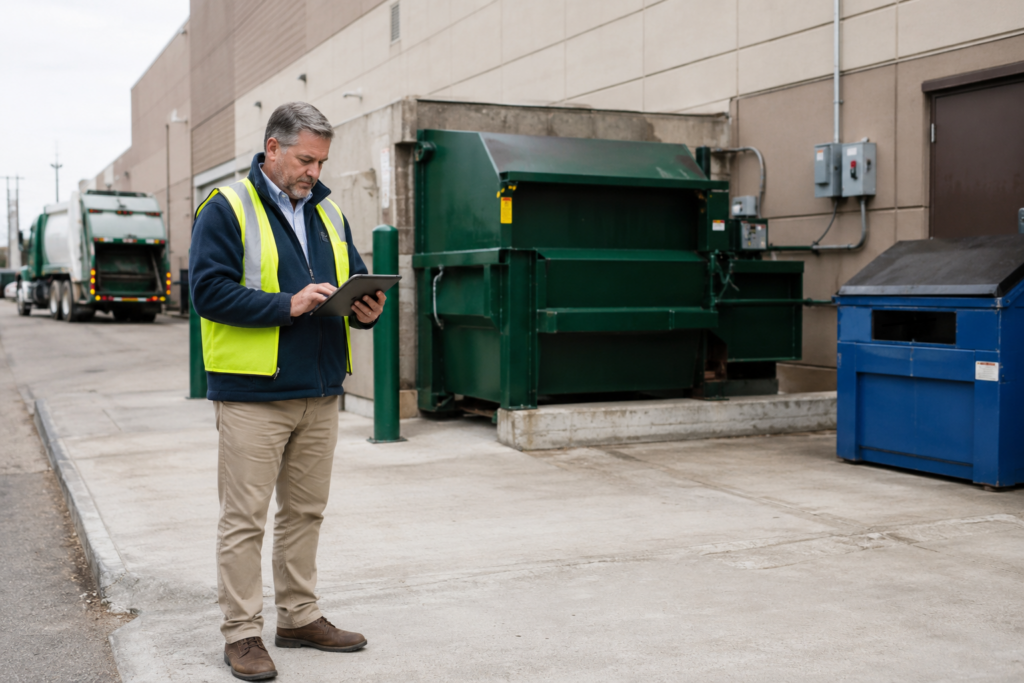
Most waste reports arrive after the useful moment has passed. Someone collects invoices from hauler portals, email attachments and shared drives, reconciles multiple spreadsheets, then builds a presentation explaining what happened last quarter. By the time leadership sees it, the data is already old. That is not really waste management reporting. It is spreadsheet archaeology. […]
The Waste RFP Playbook: Running Competitive Bids That Actually Lower Costs

A competitive bid does not lower waste costs because several haulers submit prices. The result depends on the quality of the scope, the accuracy of the underlying service data, and whether every bidder prices the same requirements. That is why an effective waste management RFP process begins well before the RFP is sent. The work […]
Multi-Site Waste Management Software: Getting Real Visibility Across Hundreds of Locations
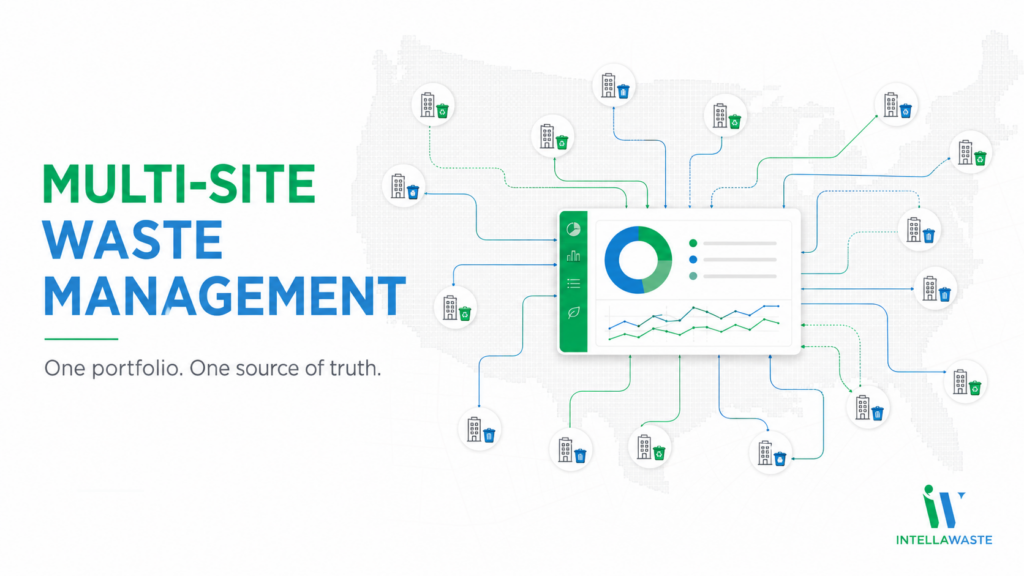
Multi-site waste management software should do more than collect invoices in one place. It should show finance, procurement, and facility leaders what is happening across the entire portfolio—where costs are drifting, which sites are outliers, whether service levels still fit actual needs, and where the organization has negotiating leverage. That sounds straightforward. In practice, waste […]
Scaling a Waste Brokerage: Systems That Grow Revenue Without Growing Headcount

Every growing waste brokerage eventually runs into the same uncomfortable question: when you add 50 accounts, what else must you add? In a manually run brokerage, the answer is usually people. More employees collect hauler invoices, enter data, check billing, track contract dates, build client reports, and chase exceptions. Revenue rises, but the work rises […]
Waste Data Meets Accounting: Why Waste Management Accounting Integration Changes the Game
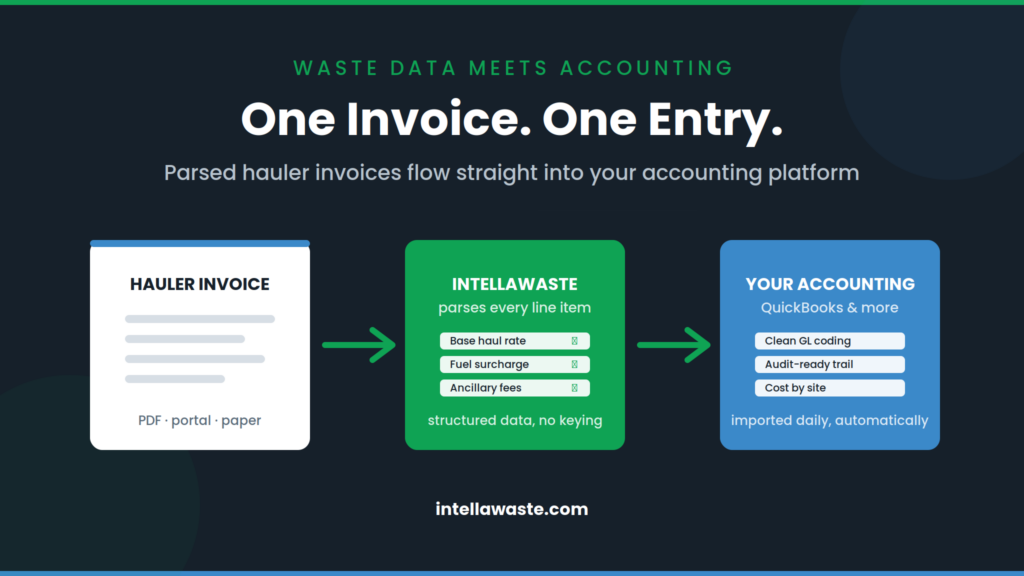
There is a quiet tragedy playing out in waste operations across the country: the same invoice gets typed twice. Once, when someone keys it from the hauler’s PDF into a tracking spreadsheet. Again, when someone enters it into the accounting system. Two chances for a typo. Two versions of the truth. And no reliable trail […]